Creating a Motorcycle Maintenance Checklist for Optimal Performance
Taking care of your motorcycle not only ensures it runs smoothly and safely, but also extends its lifespan. Regular motorcycle maintenance is essential for optimal performance and to avoid costly repairs and replacements. With that in mind, here is a comprehensive guide on creating a motorcycle maintenance checklist.
Table of Contents
Understanding the Importance of Regular Motorcycle Maintenance
Regular motorcycle maintenance is an essential part of owning and riding a motorcycle. It helps to ensure that your ride is always in tip-top condition, which is essential for both your safety and the longevity of your motorcycle.
When you invest in a motorcycle, you want to make sure that it lasts as long as possible. Regular maintenance is the key to extending the lifespan of your motorcycle. It ensures that all parts are functioning optimally, reducing wear on parts and extending their lifespan. By taking care of your motorcycle, you can enjoy it for many years to come.
Ensuring Optimal Performance and Safety
Regular maintenance also helps ensure that your motorcycle operates smoothly and safely. It helps to identify potential problems before they become serious and expensive issues. For example, if your brakes are not functioning correctly, it can be dangerous to ride your motorcycle. Regular maintenance can help identify any issues with your brakes and ensure they are working correctly.
Proper maintenance improves performance, which improves the overall riding experience. It ensures that your ride is as safe as possible, which is essential for both you and other road users.
Regular maintenance can help prevent accidents and keep you and your motorcycle safe on the road.
By following a motorcycle maintenance checklist, you can stay alive longer, a worthy goal of many a motorcyclist!
Saving Money on Repairs and Replacements
Regular maintenance can also help you save a ton of money on repairs and replacements. By identifying potential issues before they become serious problems, you can avoid more costly repairs. For example, a worn-out sprocket may damage your chain, which is an expensive repair to fix. With regular maintenance, you can identify when a sprocket needs to be replaced and take action before it damages other parts.
Regular maintenance also helps to maintain the resale value of your motorcycle. When it comes time to sell your motorcycle, a well-maintained motorcycle will be more attractive to buyers. It shows that you have taken care of your motorcycle and that it is in good condition.
In conclusion, regular motorcycle maintenance is essential for the longevity of your motorcycle, your safety, and your wallet. By investing in regular maintenance, you can ensure that your motorcycle is always in tip-top condition, providing optimal performance and safety, and helping you save money on repairs and replacements.
So, make sure to schedule regular maintenance appointments with your mechanic to keep your motorcycle running smoothly and safely for years to come.
Essential Items to Include in Your Motorcycle Maintenance Checklist
As a motorcycle owner, it is essential to keep your bike in top condition to ensure optimal performance, safety, and longevity. Regular maintenance is key to achieving this, and having a checklist of essential items to inspect can help you stay on top of your bike’s maintenance needs.
Here are some additional details to consider when maintaining your motorcycle:
Engine Oil and Filter
Changing the engine oil and filter regularly is essential for optimal performance. Regular oil changes ensure that the engine runs smoothly and reduces wear on internal parts. In addition to changing the oil and filter, it is also a good idea to inspect the oil for any signs of metal shavings or debris. This can indicate internal engine problems that need to be addressed.
Oil changes are typically recommended every 5,000km or six months, but check your motorcycle’s owner’s manual for specific details. If you frequently ride in dusty or dirty conditions, you may need to change your oil more frequently to prevent buildup and damage to your engine.
Tires and Tire Pressure
Proper tire pressure is essential for optimal handling, traction, and lifespan. Check the tire pressure regularly (at least once a week), and make sure to fill up each tire to the manufacturer’s recommended pressure. In addition to checking the pressure, it is also important to inspect the tires for any signs of wear or damage.
Look for cracks, punctures, or uneven wear patterns in your tires as these can indicate problems with your tires that need to be addressed.
It is also important to make sure that your tires are balanced correctly. Unbalanced tires can cause vibration and uneven wear, which can lead to reduced handling and safety issues on the road.
Brake System
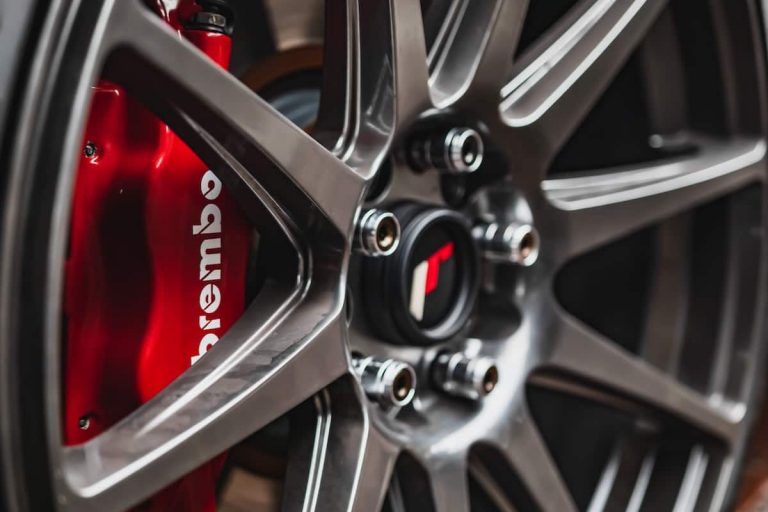
Brakes are essential for safety, and regular maintenance ensures that they are functioning optimally. Check the brake pads, brake lines, and brake fluid regularly to ensure they are in good working condition. Brake pads should be replaced if they are worn down to 2mm or less, and brake lines should be inspected for any signs of cracking or damage.
It is also important to make sure that your brake fluid is topped up and free of any contaminants. Contaminated brake fluid can cause problems with your brakes and reduce their effectiveness, so it is important to flush and replace your brake fluid regularly.
Chain and Sprockets (Or Belt / Sprockets)
If you have a chain-driven motorcycle, you need to attend to the chain very often. The belt also requires semi-regular tensioning, but a shaft drive is quite low maintenance.
The chain and sprockets are essential components of a motorcycle’s drivetrain. Regular maintenance ensures that they are functioning optimally and reduces wear on internal parts. Keep the chain lubricated and clean, make sure the chain is correctly tensioned and not too worn, and replace the sprockets and chain when necessary.
When inspecting your chain, look for signs of wear or damage, such as kinks, rust, or loose links. If you notice any of these issues, it is important to address them promptly to prevent further damage to your chain and sprockets.
If you ahve a belt drive (common on cruisers and a few other motorcycles), check the belt tension periodically with a belt tension tool, roughly between oil services. You may need to adjust the tension.
Finally, if you have a shaft drive, check the shaft drive oil level and make sure it’s not leaking (or dry!). You do also periodically have to change the final drive oil.
Air Filter
The air filter serves to filter out debris and particles from the air that your motorcycle engine breathes in. A clogged filter can reduce engine performance, so it’s essential to check and clean the air filter regularly. Depending on your riding conditions, you may need to clean or replace your air filter more frequently.
When inspecting your air filter, look for signs of dirt, dust, or debris. If you notice that your filter is clogged or dirty, clean or replace it as needed to ensure optimal engine performance.
Fluid Levels
Fluid levels, including brake fluid, coolant (if you have a liquid-cooled motorcycle), and oil, should be checked regularly. Low fluid levels can cause problems and expensive repairs if not taken care of promptly. In addition to checking the levels, it is also important to inspect the fluid for any signs of contamination or degradation.
When inspecting your brake fluid, look for signs of discoloration or cloudiness, as this can indicate contamination.
Similarly, when inspecting your coolant, look for signs of rust or corrosion, as this can indicate problems with your cooling system.
Lights and Electrical Components
Check all lights and electrical components to ensure they are in good working condition. Ensure all bulbs and fuses are functioning, and wiring is in good condition. In addition to checking the lights, it is also important to inspect the battery and charging system to ensure that your motorcycle’s electrical system is functioning correctly.
Steering and Suspension
Lastly, check the motorcycle’s steering and suspension components to ensure they are functioning correctly. Loose steering or faulty suspension can cause accidents, and addressing problems early can save costly repairs later. When inspecting your steering and suspension, look for signs of wear or damage, such as leaks, cracks, or loose components.
Regular maintenance and inspections are essential for keeping your motorcycle in top condition. By following a checklist of essential items and paying attention to the details, you can ensure that your motorcycle is safe, reliable, and ready for your next ride.
Creating a Maintenance Schedule for Your Motorcycle
A well-maintained motorcycle is essential for safe and enjoyable riding. A maintenance schedule helps keep track of essential maintenance tasks and ensures that they are completed at the correct intervals. Regular maintenance not only extends the life of your motorcycle but also helps prevent costly repairs down the road.
Here are some additional tips to help you create a comprehensive maintenance schedule for your motorcycle:
Determining the Frequency of Maintenance Tasks
Refer to your motorcycle’s owner’s manual for recommended maintenance schedules or consider the manufacturer’s recommended intervals as a starting point.
Your manual will provide you with a detailed list of maintenance tasks and their recommended frequency. Some maintenance tasks may need to be completed more frequently, depending on how hard you ride, where you ride, and other factors.
For example, if you ride in dusty or dirty conditions, you may need to clean and replace your air filter more frequently. Similarly, if you ride in wet or humid conditions, you may need to lubricate your motorcycle’s chain more often.
Tracking Your Maintenance Activities
Keep track of all maintenance activities, including oil changes, tire changes, and other services, in a logbook or using a maintenance app. This allows you to easily refer to previous maintenance activities and ensures you don’t miss any critical tasks.
It’s also a good idea to keep a record of any repairs or upgrades you make to your motorcycle. This will help you keep track of your motorcycle’s history and can be useful if you decide to sell it in the future.
Adjust your schedule based on your engine type
It’s important to bear in mind that different engine types have different maintenance requirements.
Air-cooled or air/oil-cooled motorcycles generally need more frequent service than liquid-cooled motorcycles. Similarly, dirt bikes or enduro bikes often have harsher lives, so need more frequent attention not just to the drivetrain, but also to the motor.
On the other hand, liquid-cooled commuter motorcycles with very low-stress engines (with a low compression ratio) have very low service requirements.
Adjusting Your Schedule Based on Riding Conditions and Usage
Your maintenance schedule may need adjusting depending on how often you ride, where you ride, and how aggressively you ride. When temperatures are extreme or riding conditions are harsh, it may be necessary to increase maintenance intervals.
Additionally, if you use your motorcycle for commuting, you may need to adjust your maintenance schedule to account for the additional wear and tear. Regularly inspecting your motorcycle for signs of wear and tear can help you catch potential issues before they become major problems.
By following these tips and creating a comprehensive maintenance schedule, you can help ensure that your motorcycle stays in top condition for years to come.
Performing Basic Motorcycle Maintenance Tasks
Regular motorcycle maintenance is essential to keep your bike running smoothly and safely. Here’s a step-by-step guide on how to perform some basic motorcycle maintenance tasks.
How to Change Your Motorcycle’s Engine Oil and Filter
Changing your motorcycle’s engine oil is one of the most important maintenance tasks you can perform. Here’s how to do it:
- Ensure the engine is warm by running the bike for a few minutes.
- Place an oil pan beneath the motorcycle to catch the old oil.
- Remove the drain plug using a socket wrench or a specialized oil drain tool.
- Once the oil has drained completely, replace the drain plug.
- Remove the oil filter using an oil filter wrench or pliers.
- Install the new oil filter, making sure to lubricate the gasket with a bit of fresh oil.
- Add new oil to the bike, using a funnel to avoid spills. Check the owner’s manual for the correct type and amount of oil to use.
- Check the oil level using the dipstick. The oil level should be between the high and low marks on the dipstick.
- Replace the oil fill cap.
- Start the engine and let it run for a few minutes to circulate the new oil.
- Check for any oil leaks and dispose of the old oil properly.
Inspecting and Adjusting Tire Pressure
Proper tire pressure is crucial for safe motorcycle riding. Here’s how to check and adjust your tire pressure:
- Use a tire pressure gauge to check the pressure in each tire. The recommended tire pressure can be found in the owner’s manual or on a sticker on the bike.
- If the pressure is too low, use an air compressor to add air to the tire until it reaches the recommended pressure.
- If the pressure is too high, use the gauge to release air until it reaches the recommended pressure.
- Check the pressure again to ensure it is correct.
Checking and Replacing Brake Pads
Brake pads are essential for safe motorcycle braking. Here’s how to check and replace your brake pads:
- Remove the brake caliper and brake pads from the bike.
- Inspect the brake pads to see if they need replacing. If they are worn down to 2mm or less, they should be replaced.
- Install the new brake pads, making sure they are properly aligned.
- Re-install the brake caliper and torque the bolts to the manufacturer’s specifications.
- Pump the brakes to ensure proper function.
Cleaning and Lubricating the Chain
On a chain-driven motorcycle, a clean and well-lubricated chain is essential for smooth motorcycle operation, as well as for safe riding. Here’s how to clean and lubricate your chain:
- Clean the chain with a degreaser and a stiff-bristled brush.
- Dry the chain with a towel.
- Apply chain lube to the chain, following the manufacturer’s recommendations.
- Wipe off any excess lube with a clean rag.
Replacing the Air Filter
A clean air filter is essential for proper engine performance. Here’s how to replace your air filter:
- Locate the air filter housing on your motorcycle.
- Remove the housing cover and the old filter.
- Clean the inside of the housing with a clean rag.
- Install the new air filter, making sure it is properly seated and sealed.
- Reattach the housing cover.
When to Seek Professional Help for Motorcycle Maintenance
Keeping your motorcycle in top condition is essential for both safety and performance. While regular maintenance can be done at home, some repairs and replacements require professional assistance. In this article, we’ll discuss when it’s best to seek professional help for your motorcycle.
Complex Repairs and Replacements
While some motorcycle repairs and replacements can be done by a skilled DIYer, it’s best to leave complicated repairs and replacements, such as engine rebuilds, to a professional mechanic.
It’s good to do a valve clearance once, but unless you have an enduro motorcycle that needs them done very often, this is a job most people leave to professionals.
A professional mechanic has the expertise and specialized tools needed to complete these complex repairs safely and accurately. Attempting to do these repairs yourself could result in further damage to your motorcycle and could even be dangerous.
Regular Inspections and Tune-ups
Regular inspections and tune-ups are essential for keeping your motorcycle running smoothly. It’s recommended to have your motorcycle inspected by a professional regularly, especially if you ride often.
A professional mechanic can perform a thorough inspection of your motorcycle’s brakes, tires, suspension, and other critical components to ensure that everything is in good working order. Having a mechanic perform tune-ups occasionally will help ensure that your motorcycle performs optimally and can even help prevent more significant issues from developing.
Troubleshooting Persistent Issues
If you are experiencing persistent issues with your motorcycle that you cannot solve on your own, it’s time to call in a professional. A professional mechanic has the experience and tools needed to diagnose problems and fix them quickly and effectively.
Ignoring persistent issues with your motorcycle could lead to more significant problems down the road, including safety issues.
Remember, your motorcycle is a significant investment, and keeping it in top condition is essential for both safety and performance. While some maintenance tasks can be done at home, it’s essential to know when to seek professional help.
By working with a professional mechanic, you can ensure that your motorcycle is always in top condition and ready for your next adventure on the open road.
Tips for Maintaining Your Motorcycle’s Performance and Appearance
Regular maintenance is the first step to maintaining your motorcycle’s performance and appearance. However, there are additional steps you can take to ensure your motorcycle remains in top condition. Here are some additional tips:
Keeping Your Motorcycle Clean and Protected
Keeping your motorcycle clean not only enhances its appearance but also helps to prevent dirt and grime build-up, which can damage your bike’s components. When cleaning your motorcycle, avoid using harsh chemicals or abrasive materials that can scratch or damage the paint or metallic parts. Instead, use specialized motorcycle cleaners and protectants to ensure the paint and metallic parts of your motorcycle don’t corrode.
After washing your motorcycle, dry it thoroughly with a soft cloth to prevent water spots from forming. You can also apply a wax or sealant to protect the paint and keep it looking shiny.
Storing Your Motorcycle Properly
When storing your motorcycle for an extended period, it’s essential to take the necessary precautions to ensure it remains in good condition.
Ensure your motorcycle is parked in a dry environment and covered to prevent dust, debris, or wasps from getting inside the various openings. You can also use a motorcycle cover to protect it from the elements, such as rain, snow, or UV rays.
Before storing your motorcycle, it’s also crucial to perform some basic maintenance tasks, such as changing the oil and filter, checking the tire pressure, and lubricating the chain. This will ensure that your motorcycle is ready to ride when you take it out of storage.
Investing in Quality Parts and Accessories
Investing in quality replacement parts, accessories, and gear for your motorcycle is an excellent way to ensure that your motorcycle remains in good condition. Quality parts and accessories will last longer and perform better, ensuring that your motorcycle remains in top condition.
When choosing replacement parts or accessories, it’s essential to choose products that are designed specifically for your motorcycle’s make and model. This will ensure that they fit correctly and function correctly, providing optimal performance and safety.
Following this guide on creating a motorcycle maintenance checklist will ensure that your ride remains in optimal condition, prolongs its lifespan, and ensures optimal performance and safety. By taking care of your motorcycle, you’ll be able to enjoy it for years to come.